Turn More Product Discovery Into Sales, and More First Orders Into Repeat Revenue.
Your customers may find a product through Google, social, an ad, an AI answer or your own website, then buy from you, Amazon, RONA or another retail partner.
Lime connects product discovery, ecommerce conversion, marketplace journeys, follow-up and retention so you can see what is actually moving revenue.
Free 20-Minute Growth Opportunity Review · No obligation
20+ Years in Business
Toronto-rooted since 2005
Real Client Results
Proven across services, franchises and ecommerce
One Accountable Team
Strategy · Creative · Media · Web · Automation
Built for How Customers Buy Today
Google · Social · AI Discovery · Follow-Up · Measurement
Two Ecommerce Business Models. Real Results.
Direct ecommerce growth, and the marketplace journey most brands can't see.
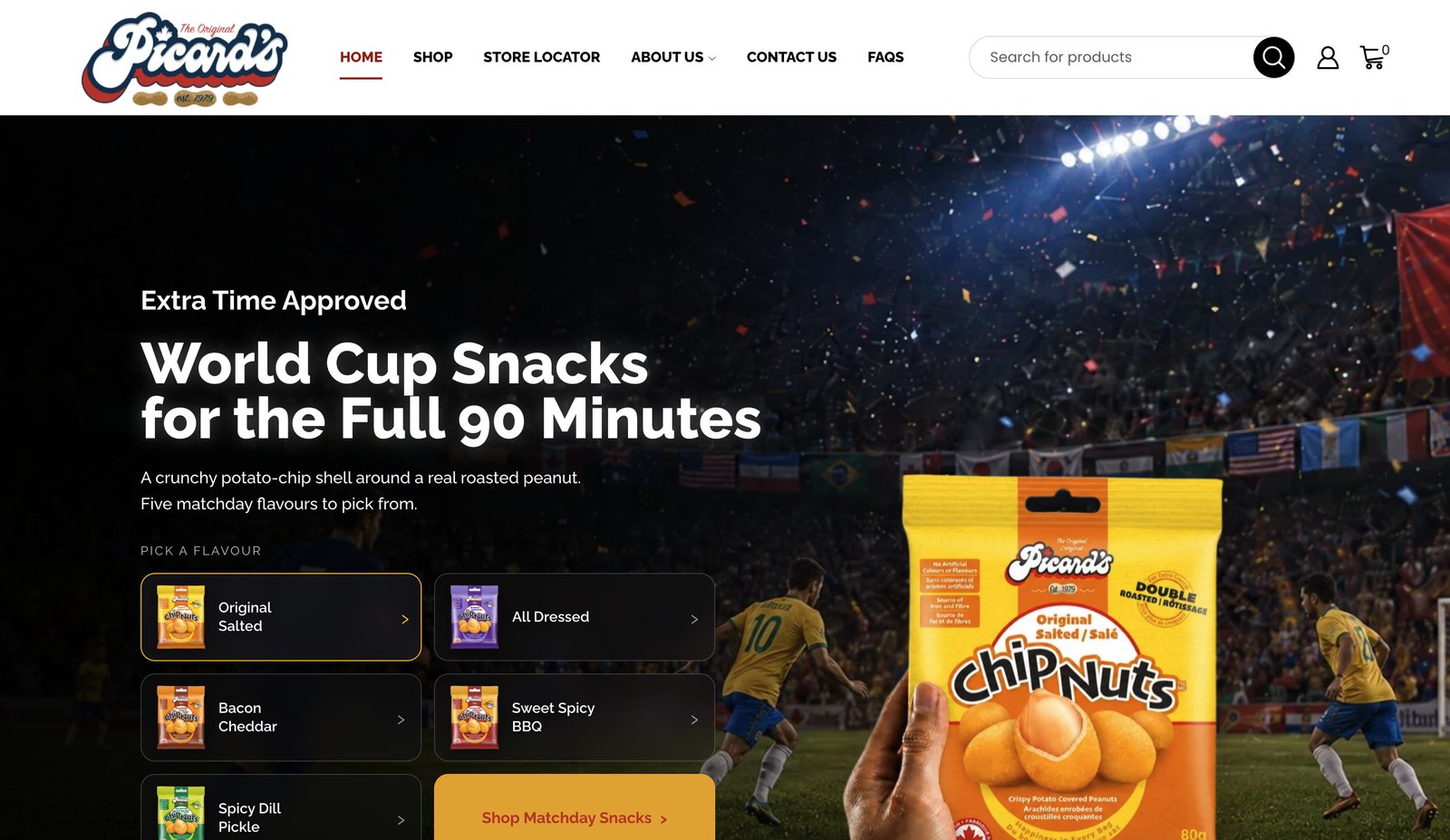
Picard Peanuts
Direct ecommerce growth
Picard Peanuts had strong retail loyalty and physical locations but no modern online sales engine. Lime built a scalable ecommerce platform for 100+ products, improving product discovery, mobile shopping and online purchasing.
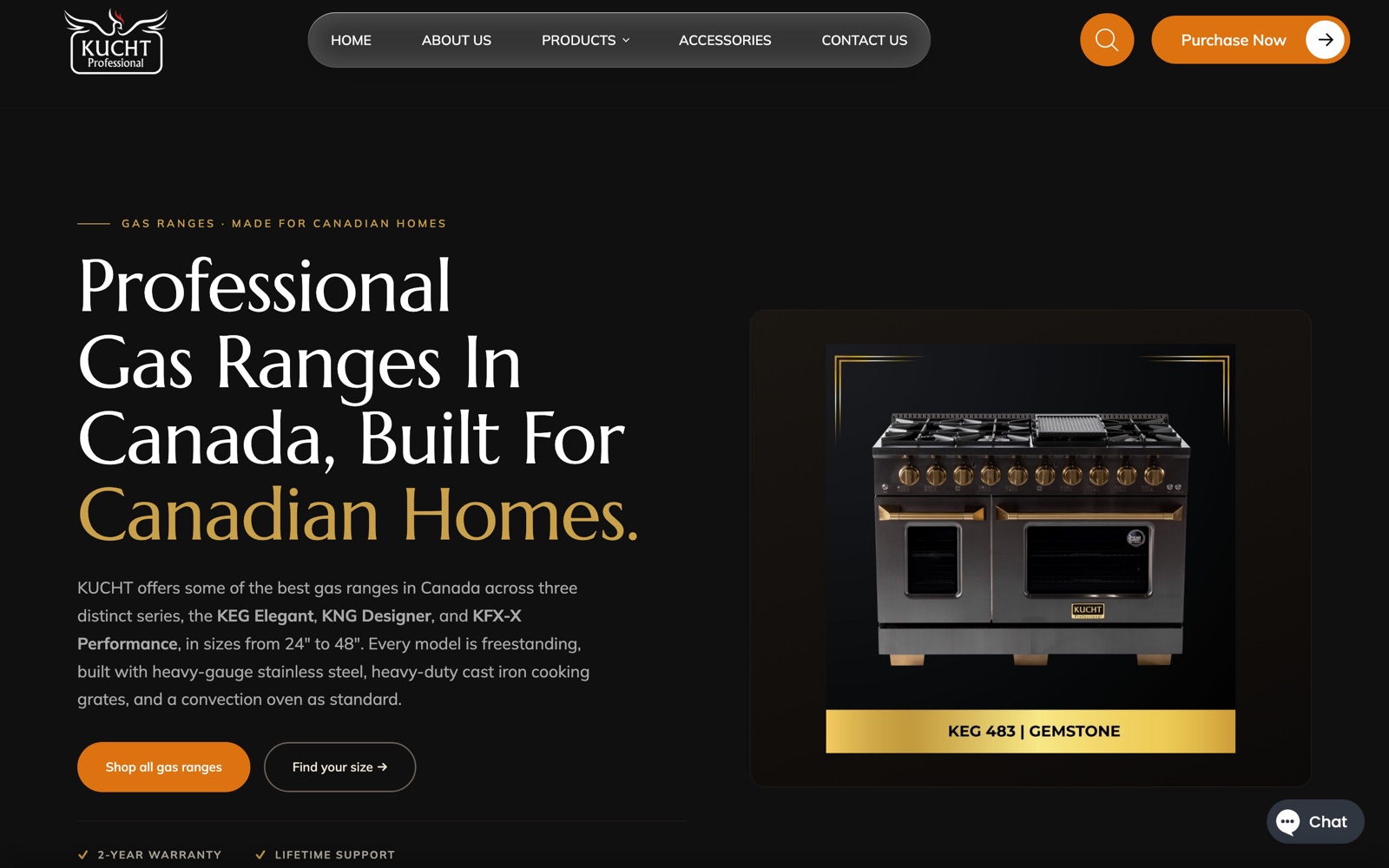
KUCHT's product website acts as the front end of a broader marketplace and retail revenue journey. Lime connected discovery, product content and outbound retailer tracking, making shopper movement toward Amazon, RONA and other partners visible for the first time.
+1,282%
Website traffic
+2,639%
Active users
582
Tracked marketplace interactions
+71% Amazon and +73% RONA year-over-year sales over the same period.
Tracked marketplace interactions are click-outs showing shopper movement toward retail partners, not confirmed purchases.
Traffic is expensive. The real question is what happens after the shopper arrives.
01
You keep paying for the same customer
Acquisition grows while repeat purchasing remains weak.
02
Product discovery is harder than it should be
Category structure, filtering, search or merchandising does not help shoppers find the right product quickly.
03
Product pages do not answer enough
The shopper has to leave the site to find specifications, comparisons, use cases or proof.
04
Checkout loses good intent
Mobile friction, shipping surprises, unclear payment options or unnecessary steps suppress conversion.
05
Abandoned carts disappear
The brand already paid to create intent but does little to recover it.
06
Promotions become the only growth lever
Sales spikes depend on discounts rather than stronger product value and customer relationships.
07
Marketplace revenue is hard to trace
The website influences a shopper who then buys elsewhere, leaving a reporting blind spot.
08
Reports celebrate traffic
Leadership sees sessions, clicks and engagement but cannot confidently connect the activity to revenue and repeat value.
Direct Store + Marketplace
Measure the path even when another retailer processes the sale.
For many product brands, the website is a store, a catalogue, a comparison tool, a brand authority source, a retailer locator and a path to Amazon or retail partners, all at once.
Tracking outbound retailer interaction makes part of that hidden journey visible. For KUCHT Canada, 582 tracked marketplace interactions showed exactly where purchase intent was heading.
A tracked click-out shows buyer movement, not a confirmed marketplace purchase.
For a product brand, the website is
A store
A catalogue
A comparison tool
A brand authority source
A retailer locator
A path to Amazon or retail partners
One Connected Revenue Journey
From discovery to repeat revenue.
01
Get Discovered
Search, AI-assisted discovery, social, paid and campaigns.
02
Find the Product
Categories, search, filters, comparison and merchandising.
03
Convert
Product pages, offers, checkout, mobile UX and trust.
04
Recover
Abandoned cart, browse recovery and re-engagement.
05
Retain
Repeat purchase, reactivation, launches, seasonal and lifecycle communication.
06
Measure Revenue
Direct revenue, channel contribution, retailer click-outs, repeat purchase and customer value.
One Accountable Team
Every capability answers a revenue problem, not a service list.
Lime can manage the full program under one accountable team: development, paid, social, creative, search, content, email and SMS, automation, marketplace measurement and reporting. The exact mix depends on where your store is actually leaking revenue.
Product & category visibility
Be findable when shoppers search Google, browse social or ask AI-assisted tools about products like yours.
Ecommerce UX & merchandising
Help shoppers find the right product fast: category structure, search, filters and comparison.
Conversion & checkout
Remove the product-page and checkout friction that quietly suppresses the sales you already earned.
Paid & organic acquisition
Add qualified demand without using ad spend to hide weak conversion or retention.
Email, SMS & cart recovery
Recover abandoned intent and bring first-time buyers back for the second order.
Marketplace & retailer tracking
See when shoppers leave your site for Amazon or a retail partner, so influenced revenue stops being invisible.
Shopify / WooCommerce development
Build or improve the store itself where the platform is what constrains revenue.
Revenue reporting & attribution
Connect channels, orders, repeat purchase and customer value so reports show revenue, not sessions.
Where is your store losing revenue you already paid to create?
In the Growth Opportunity Review, Lime can look at the path from product discovery to purchase, recovery and repeat order, and identify the likely gaps worth investigating.
This is a focused first conversation, not a free formal audit.
20 minutes · No obligation · Focused on your business
Best fit: product brands looking to turn more discovery into direct sales, retailer / marketplace sales and repeat revenue.
We may discuss
Product discovery
Category structure
Product pages
Checkout
Mobile conversion
Paid traffic
Organic / AI visibility
Abandoned cart
Retention
Promotions
Marketplace journeys
Reporting
Repeat purchase
Product Brands, Direct + Retail
One accountable team from product discovery to revenue report.
Lime has been building digital growth systems since 2005, combining ecommerce development, marketing, automation and reporting for product brands selling direct, through marketplaces and through retail.
Fix the full path, not just the traffic: product discovery, product pages that answer the shopper's questions, low-friction checkout, cart recovery and repeat purchasing. Most stores lose more revenue between the visit and the second order than they gain from another traffic campaign.
Usually not yet. Weak conversion means paid traffic leaks value on arrival, so more spend buys more leakage. Improve product pages, checkout and recovery first, then scale acquisition once the store can hold the demand it already gets.
Make the catalogue easy to navigate three ways: clear category structure, useful on-site search and filters, and merchandising that surfaces the right products. Then support external discovery with clear product information Google and AI-assisted tools can understand.
Track the abandonment, then follow up quickly with email or SMS that answers the likely objection: shipping, payment options, sizing, trust. Browse-recovery and re-engagement flows extend the same idea to shoppers who never reached the cart.
Treat the first order as the start of the relationship. Lifecycle email and SMS, replenishment and reactivation flows, launches and seasonal campaigns, and offers built on what the customer already bought all raise repeat rate, which lowers how often you pay to re-acquire the same customer.
Track outbound retailer interactions on your site. When a shopper clicks from a product page to Amazon, RONA or another partner, that click can be recorded, giving you evidence of buyer movement toward retail: a tracked click-out shows movement, not a confirmed purchase, but it makes an otherwise invisible part of the journey measurable.
It can. Shoppers increasingly ask AI-assisted tools what to buy and where. Clear product information, categories, specifications, reviews and consistent brand signals make products easier for those tools to understand and mention alongside traditional search.
Yes. Lime builds and improves both Shopify and WooCommerce stores, as well as custom ecommerce platforms. The platform work is always in service of a business outcome (discovery, conversion, retention or reporting), not replatforming for its own sake.
Against revenue and customer value, not sessions. Useful reporting connects channel contribution, orders, average order value, repeat purchase, retailer click-outs where relevant, and revenue per customer over time, so leadership can see which activity actually moves money.
Ready to turn more product discovery into revenue?
More customers. More repeat revenue. Whether the gap is discovery, conversion, recovery, retention or reporting, start by finding where the store loses the most.
In 20 minutes, we’ll look at where your store is most likely losing revenue you already paid to create and what we would prioritize first.